
Right now, every agent should be thinking about how to build a real estate career that truly endures changing markets. Instead of merely surviving the pandemic, agents who are successful in five years will develop solid companies based on connections, local expertise, and proactive communication.
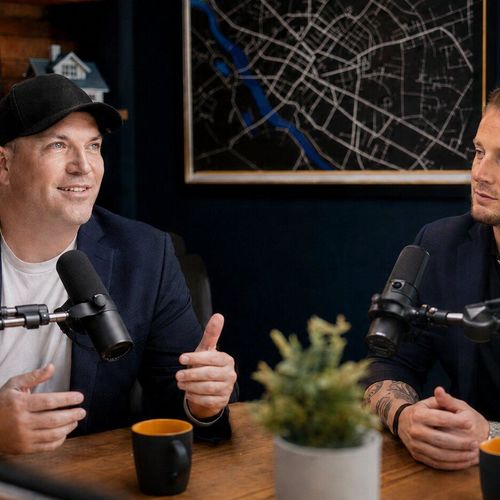
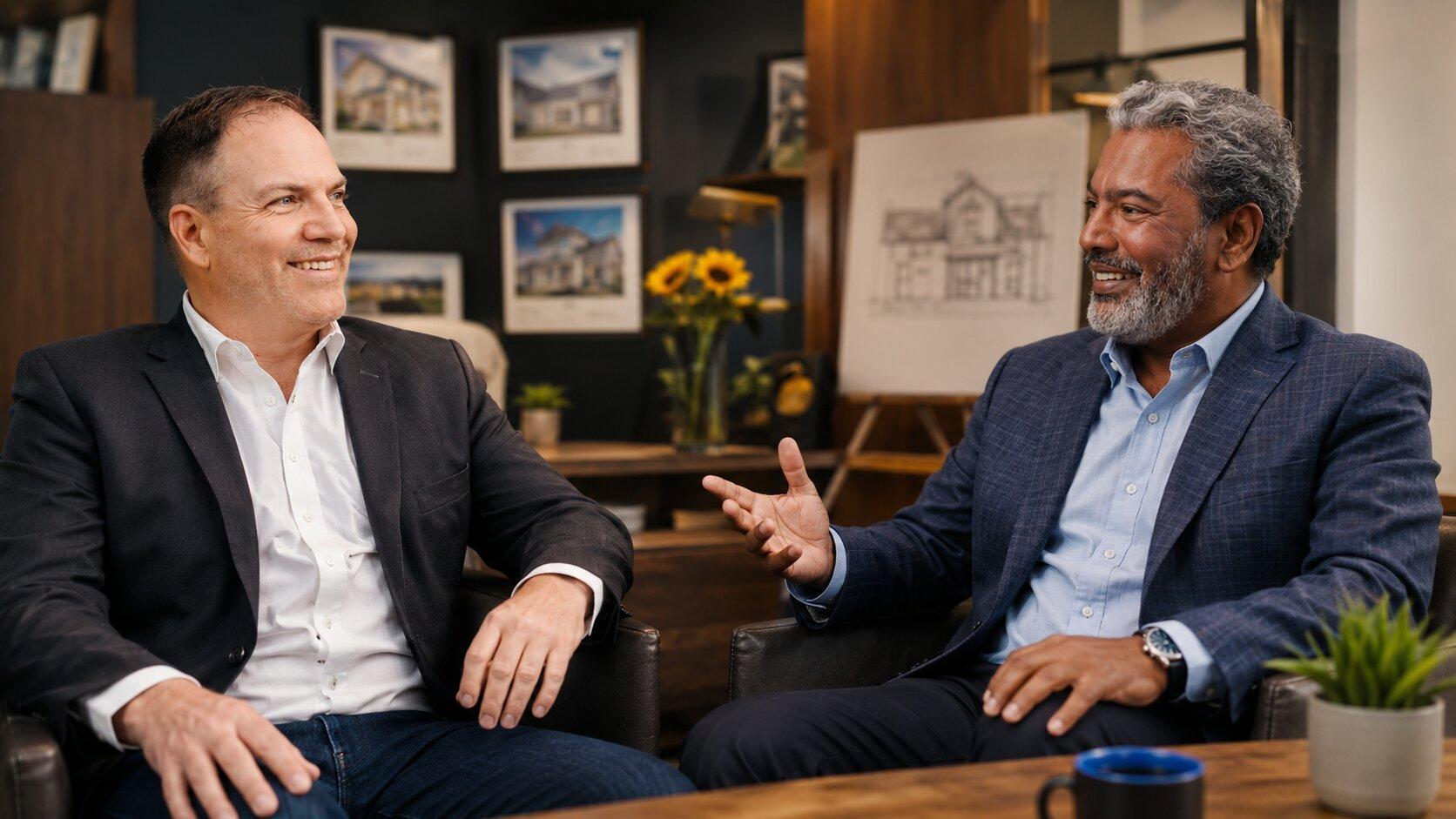
I spoke with Bobby Mathews, a broker associate and office manager at RE/MAX Foxfire in Ocala, Florida, for this episode of the Why Do I Suck as a Real Estate Agent podcast.
Bobby's 25 years of experience overseeing multi-office brokerages across several market cycles gives him a unique perspective on building client trust in real estate. His strategy combines sustainable agent development with long-term brokerage growth to support brokers and agents in any market.
Curious about this episode? Check out a snippet of our conversation:
Why I Wanted to Have This Critical Brokerage Growth Conversation
Every day I see agents hit a wall because they are chasing the next transaction rather than building an actual business. When the opportunity came to bring Bobby onto the show, I knew I wanted to dig into the foundational mechanics of longevity. Bobby is a Bobby Mathews, Ocala broker associate at RE/MAX Foxfire with a background that started in new home construction with Del Webb and On Top of the World before shifting into brokerage leadership.
He began his professional life in financial services in Chicago. After selling his stake in a brokerage, he relocated, played golf for a while, and eventually found his way into real estate through a new home sales opportunity with Del Webb. He told me on the show that no two days are the same in real estate, and that unpredictability is exactly what kept him hooked from the start. His brokerage, RE/MAX Foxfire, has been operating in Ocala since 1973, and Bobby has navigated three distinct market cycles, including the frenzied pandemic boom and the normalization that has followed.
What makes his insight so relevant right now is not just longevity. It is the track record of building agents who actually last through those cycles. For agents wondering why their production is stalling or how to break through a slump, Bobby represents the exact blend of old-school relationship building and modern, data-driven execution required to survive today. For anyone focused on building a sustainable real estate brand in this environment, this episode delivers a blueprint worth studying carefully.
For the complete, unfiltered breakdown of our discussion, Watch the full episode here:
Why a Culture-First Brokerage Strategy Beats Production Numbers Every Time
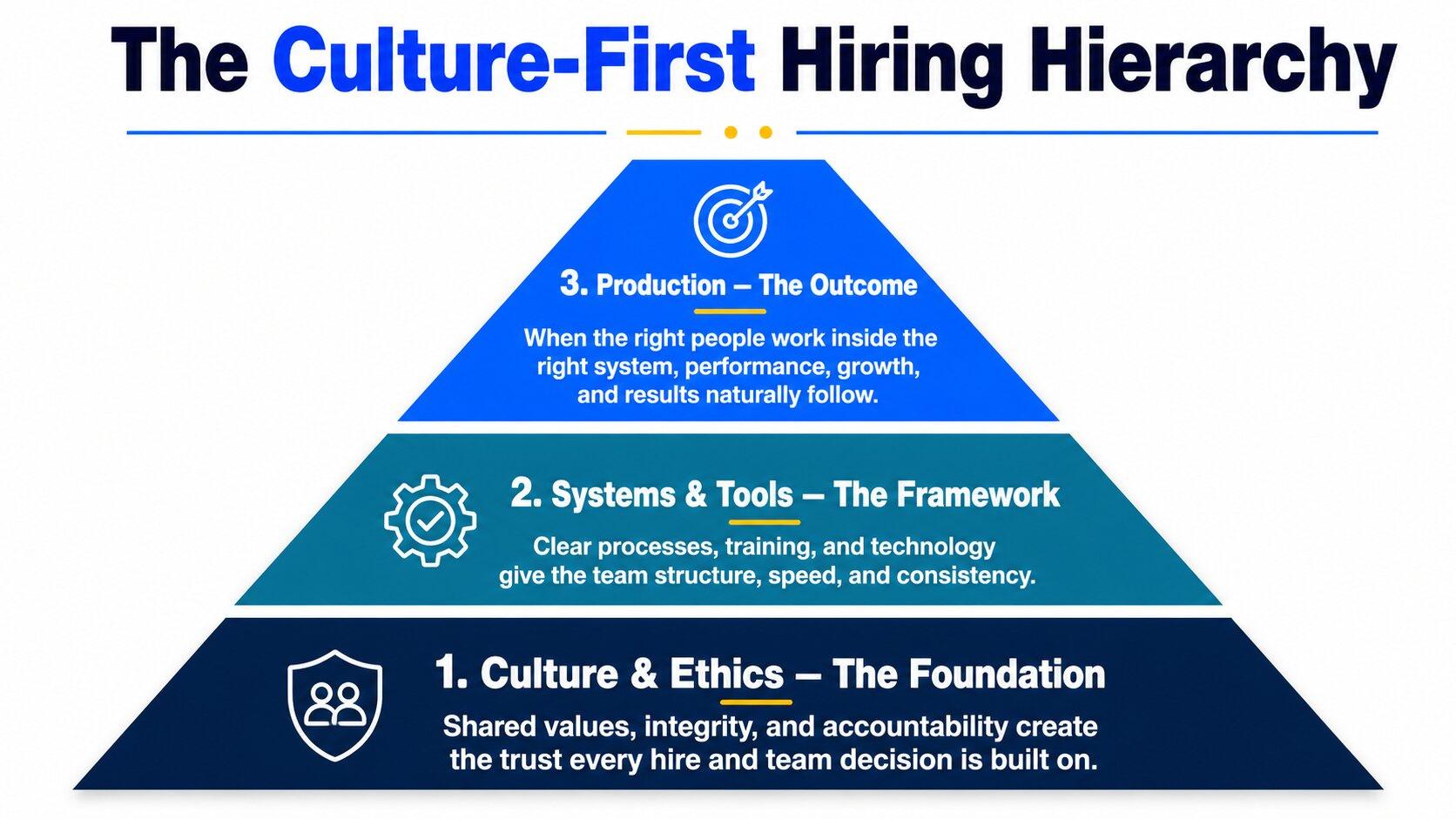
When most brokers evaluate new agents, they go straight to production numbers. Bobby openly admitted that early in his career, he made that exact mistake. Hiring agents for their bottom-line contribution while ignoring cultural fit did far more long-term damage to his brokerage than any short-term commission check was worth.
Research from the National Association of REALTORS backs up what Bobby experienced firsthand. According to why brokerage culture drives long-term agent retention, agents who leave their brokerages typically do so because of culture, not compensation. The financial difference between competing brokerages is rarely dramatic enough to drive turnover on its own. Culture is what determines whether people stay or go.
Bobby's approach to building a culture-first real estate brokerage rests on a clear principle: hire the will and teach the skill. If an agent has the internal drive to learn, the ethical foundation to do right by clients, and the team-player mentality to support the people around them, the technical mechanics of contracts and negotiations can be trained. What cannot be trained is character. Bobby asked me to think about it this way: agents come from nine-to-five backgrounds where someone else structures their day and defines their tasks. In real estate, the agent becomes the CEO of their own business. Part of building a culture-first team is teaching people how to manage themselves, prospect proactively, and perform at a high level when no one is watching.
One high-producing but disruptive agent can poison the collaborative environment an entire multi-office team depends on. Bobby's RE/MAX Foxfire multi-office brokerage network has survived more than five decades in the Ocala market because of exactly this kind of long-term thinking. The lesson is simple but difficult to execute: protect the ecosystem first, and the production follows.
Moving From Transactional Survival to Proactive Client Communication
"But, you know, the ones that are really successful in markets like this that are normalizing are the ones that value relationships, know how to communicate, and stay upfront. A lot of the times, you know, we tell our agents, 'If you've... if a customer's called you because of something, you've lost the impetus.' You know, you want to be the person making that call. You want to be upfront. You want to be the one calling the seller and saying, 'Hey, it's two weeks, we haven't had a showing. Here's what we need to do in order to get the home sold.' So we want agents who are proactive, that don't run and hide when there's bad news. Those are all things that show character to me, so those are the things that are most important when we're hiring somebody."
The pandemic real estate market turned a lot of agents into glorified transaction managers. The market was moving so fast that true client communication took a back seat to simply getting paperwork through the pipeline. That era is over. The real estate market normalization we are navigating right now punishes passive agents and rewards those who take control of the client relationship, especially when the news is not good.
Bobby's standard is unambiguous: if a client has to call you first, you have already failed at your job. The agent who initiates the uncomfortable conversation with a seller about a listing sitting on the market for two weeks without a showing is the agent who builds lasting trust. The agent who avoids that call loses the relationship and, eventually, the business.
NAR's 2025 findings on agent income and market resilience confirm what Bobby has been telling his agents for years: experienced agents who built relationship-based businesses continued to outperform their transactional peers even as market conditions slowed. Keeping in touch with past clients and staying front-of-mind through proactive outreach, not reactive response, is what drives repeat and referral business at the highest levels.
This same proactive mindset applies to every client segment. Whether you are working with sellers, buyers, or the top agents who attract serious real estate investors, the standard is identical: call first, communicate clearly, and never let the client feel like they have to chase you for answers.
Using Hyper-Local Real Estate Market Data to Outrun Shifting National Trends
National headlines about rising interest rates, cooling inventory, and slowing sales can paralyze both agents and their clients. Bobby made one thing clear during our conversation: real estate is fundamentally hyper-local, and the numbers inside your specific MLS often tell a very different story than what the national media publishes.
Bobby keeps his agents at RE/MAX Foxfire laser-focused on Marion County data rather than state or national trends. His brokerage draws a significant portion of its buyer pool from the Northeast, specifically New York, New Jersey, Connecticut, and Massachusetts. Understanding what is happening in those source markets matters, but knowing the specific inventory levels, absorption rates, and sales velocity inside individual Ocala communities is what actually wins clients over. The difference between a pocket of the market that is still seeing seller-side conditions and the county-level average can be the entire basis of a buyer's decision.
| Key Hyper-Local Metric | Diagnostic Focus for Agents | Impact on Client Advice |
| Absorption Rate | Measures how fast homes sell in a specific neighborhood | Helps buyers understand if a localized pocket remains a seller's market |
| Days on Market (DOM) | Tracks the exact average duration a listing stays active | Sets realistic expectations for sellers regarding localized market velocity |
| List-to-Sale Percentage | Compares final contract price against initial asking price | Empowers agents to structure highly accurate, competitive offers |
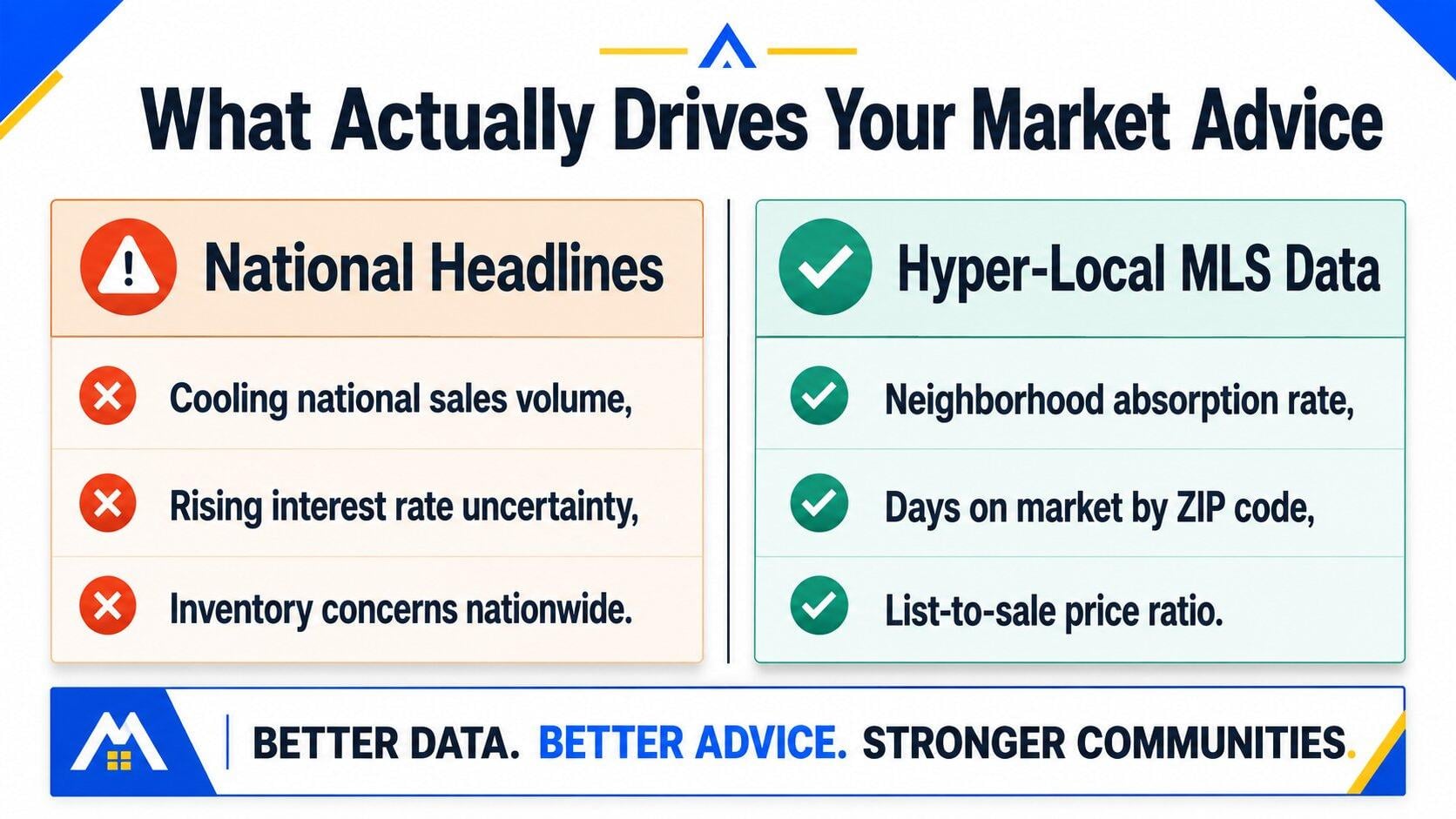
Consider what happens when a buyer relocates from the Northeast to Ocala after seeing concerning national headlines. The agent who can pull neighborhood-level data and show that homes in a specific active adult community are still closing at 97% or 98% of list price in a matter of weeks converts that buyer. The agent who only knows the national average loses them to hesitation. Mastering that data is not optional in a normalizing market. It is the entire competitive advantage.
Browse active Ocala real estate listings to see the kind of hyper-local market positioning Bobby's brokerage brings to every buyer and seller conversation in Marion County.
When and How Finding Your Real Estate Niche Scales Your Total Volume
"I think when y- anybody starts out in real estate, you know, you start out doing everything, and you should, because, you know, you really are not in a position to be picky about things when you're starting out. You wanna catch every transaction you possibly can. But eventually, the goal is to become an expert in something. You know? I- if you tell somebody that you're an expert in everything, really what they're hearing is that you're an expert in nothing, right? So niches become all trades, master of none, right? ... Knowing those little things make a huge difference down the line. ... And the more you know, the better you can guide your customers. You want them to be able to think of your names first when they're thinking about a specific thing, whether it be a 55 and over neighborhood, whether it be multifamily or a first time home buyer, you want yourself your name to be the first thing they think about when they're thinking about these things. And that's where expertise and being in a niche really make a difference."
Finding your real estate niche is not about limiting yourself. It is about becoming irreplaceable within a defined market segment. Bobby shared a benchmark during our conversation that I found immediately actionable: when an agent reaches $3 million to $5 million in annual sales volume, it is time to look back at their transaction history, identify the property types and client demographics they naturally gravitate toward, and begin deliberately specializing.
In the Ocala market, that might mean becoming the go-to agent for 55-and-over active adult communities like Stone Creek, On Top of the World, or Ocala Preserve. These communities have their own distinct characteristics, and granular knowledge matters. Bobby gave a perfect example on the show: a buyer who wants natural gas cooking will find it available in On Top of the World but not in the neighboring Stone Creek. That single detail eliminates one community from consideration. The agent who knows that fact before the showing saves their client time, demonstrates expertise, and earns referrals. The agent who discovers it after a wasted showing loses credibility.
The same depth of knowledge applies to Ocala's equestrian and luxury farm market, which is one of the most specialized segments in Florida real estate. Buyers looking at hobby farms or professional horse operations need to know about pasture drainage, infrastructure requirements, proximity to venues like the World Equestrian Center, and the difference between a working equestrian property and a lifestyle farm. Bobby pointed out that Ocala is also seeing a major influx of younger workers attracted by distribution centers built by companies like Chewy.com, Amazon, and FedEx. This has created strong demand for properties outside the traditional retirement demographic, expanding the niche opportunities available to agents across multiple buyer segments.
NAR's six proven criteria for finding your real estate niche provide a structured starting point that aligns with exactly what Bobby described: analyzing where you have natural strengths, identifying consistent local demand, and building the kind of expertise that clients cannot find anywhere else in your market.
Navigating the Rise of Artificial Intelligence Through Authentic Multi-Generational Trust
"I'm not one of these people who's scared of tech. I think AI is great. I think, you know, the technology, the platforms that we have, those are all great. Those are accelerators. They don't replace the trust, they don't replace the relationships that we have. And when people are making the most important decision for them, for most people the most important decision financially is buying a home. You know, it's difficult to trust somebody who is offsite that has a, you know, an iBuyer platform where everything is based on algorithms. You know, it- it's important to have somebody who knows the neighborhoods, knows the school districts, knows the communities knows what's around."
Many agents are operating under the assumption that artificial intelligence and algorithmic platforms will eventually make them unnecessary. Bobby reframed that concern for me in a way that genuinely shifted my thinking. Technology is an accelerator. It makes good agents faster, better organized, and more effective at marketing. What it cannot do is replace the trust that comes from an agent who has spent decades embedded in a specific community and built real relationships with the people in it.
The proof is in the longevity of Bobby's brokerage. RE/MAX Foxfire is approaching its 50th year in business in 2026. Reaching a milestone like that in real estate requires far more than a strong technology stack. Bobby shared stories of agents within his office who are now selling homes to the children and grandchildren of clients they first worked with 25 or 30 years ago. That generational trust, built through consistent face-to-face relationship work over decades, is something no iBuyer platform or algorithmic pricing model can reproduce.
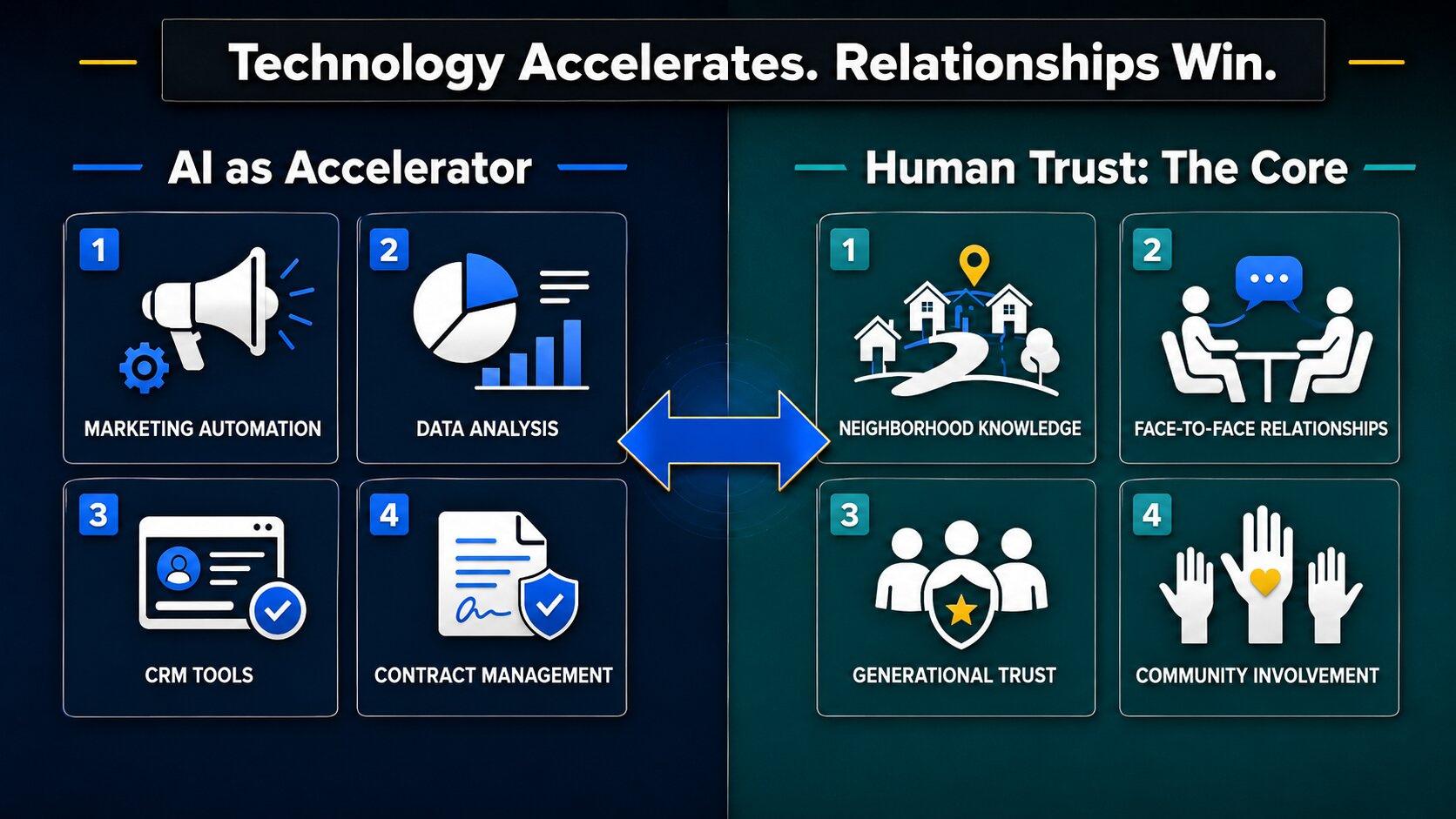
Industry reporting reinforces what Bobby has observed firsthand. Research from Inman highlights how top agents assess AI's limits in client relationships and consistently points to the same conclusion: artificial intelligence can raise the baseline for productivity and marketing, but human judgment and local trust remain irreplaceable at the moments when stakes are highest. An algorithm cannot tell a 73-year-old buyer that golf cart accessibility ends two blocks north of a particular community, or that the medical complex they will rely on is a 10-minute drive, not a 30-minute one. That context-driven, experience-built knowledge is what separates a truly dedicated agent from the rest.
Follow Bobby Mathews' local community updates to see how he keeps his extended network engaged with relevant market insights year-round.
My Personal Takeaways as a Podcast Host on Shifting My Real Estate Perspective
Before this conversation with Bobby, I thought of niche specialization as something that narrowed your opportunities. Listening to him explain how granular local knowledge drives measurable market dominance changed that perspective entirely. Knowing which subdivision has natural gas. Knowing how pasture drainage affects a hobby farm's long-term value. Knowing which communities offer golf cart routes that extend independence for aging buyers. These are not small details. They are the exact details that make an agent the first name a client thinks of when they are ready to move.
I am also re-evaluating how I track market data. Instead of watching macro real estate trends, I am going to build a more disciplined practice around hyper-local data so I can give clients predictive, proactive advice before they even know they need it. That is what what drives long-term success in real estate actually looks like at the agent level: anchoring your business so deeply in your community that market cycles become something you manage, not something that manages you.
Bobby's upcoming 50th anniversary for RE/MAX Foxfire is not a coincidence. It is the result of consistently putting people over production numbers, local expertise over national narratives, and proactive communication over comfortable silence. Those are principles I am carrying forward, and I hope they are useful for every agent listening to this show.
Connect with Bobby Mathews and RE/MAX Foxfire:
Visit RE/MAX Foxfire online for current listings and market resources. Follow the brokerage on Instagram at @foxfirerealtyflorida for local market updates and community highlights.
Follow Monte Reyment and the Show:
Facebook | Instagram @montereyment | LinkedIn - Take Action Realty Group
Curious to hear the full, unfiltered conversation with Bobby Mathews of RE/MAX Foxfire Real Estate? We dive deep into everything from hiring for culture to leveraging hyper-local data and finding your niche in a normalizing market. Listen to the complete episode now!
FAQ Section
How does Bobby Mathews RE/MAX Foxfire Real Estate evaluate new agents for their cultural fit?
Bobby values character, ethics, and teamwork over past performance. He hires based on drive and coachability, focusing on technical skills later. He believes ethics and teamwork can be taught, but not character. Strong cultural alignment allows for skill development.
At what production milestone should a real estate agent begin finding their real estate niche?
Agents with $3 million to $5 million in annual sales should review their transaction history to identify preferred property types and client demographics, transforming solid sales into market authority.
Why can hyper-local real estate market data protect an agent's business during a market normalization?
National media coverage often causes consumer anxiety unrelated to local conditions. Real estate agents who understand local MLS data can offer clients informed guidance. By presenting specific community data, agents help buyers and sellers see that local markets may differ significantly from national trends, allowing them to move forward confidently.
Apply as a Guest Speaker
The real estate landscape is shifting faster than at any point in recent memory. Interest rates are fluctuating. Inventory is normalizing. The technology available to agents is evolving at a pace that few anticipated even five years ago. Surviving and scaling through the next decade requires moving beyond transactional habits and building a business grounded in community trust, local expertise, and proactive client communication.
If you are actively working in the industry, executing creative strategies, and solving real-world problems for your clients, whether in brokerage management, residential sales, commercial development, or real estate finance, we want to hear from you. Share your hard-earned lessons and unique insights with a highly engaged audience of real estate professionals.
Check out this article next