

How to Prep Your Furnace Before Winter
Wisconsin winters have a way of reminding us just how important a working furnace is. Before the temperatures really start to drop, take a little time to make sure your heating system is ready for the season ahead.
A few simple checks now can help your furnace run more efficiently, catch potential problems early, and hopefully keep you from making an emergency HVAC call on the coldest night of the year.
Here’s our simple fall furnace checklist.
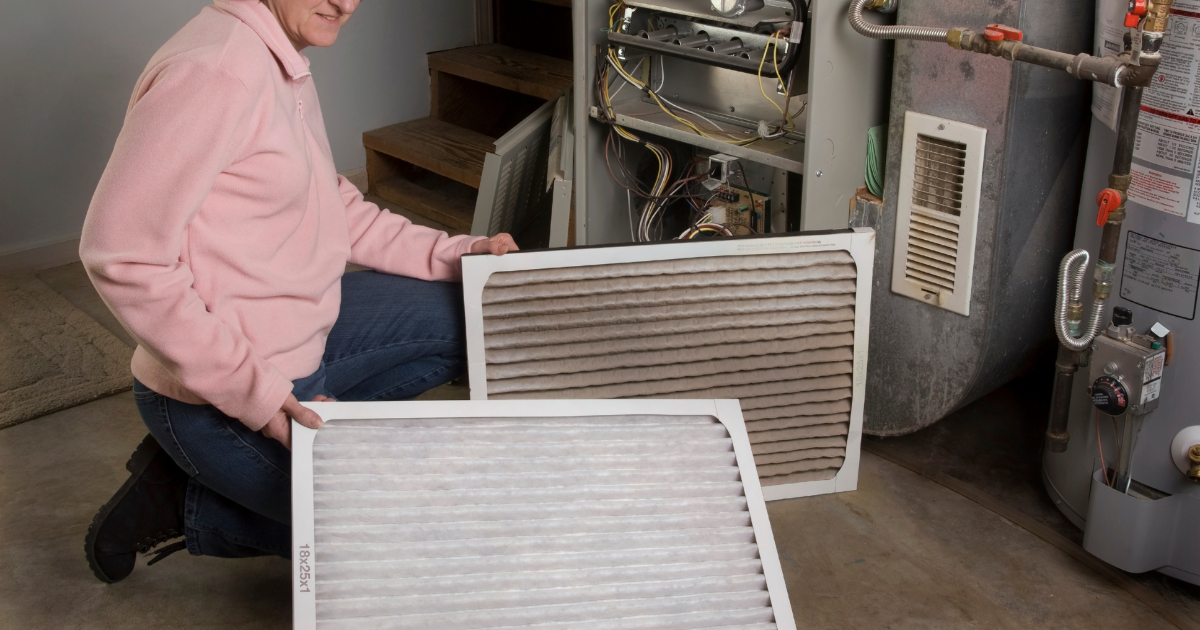
1. Replace Your Furnace Filter
One of the easiest things you can do for your furnace is also one of the most important.
A dirty filter can restrict airflow and make your furnace work harder to heat your home. Check your current filter and replace it according to the manufacturer's recommendations. If you aren't sure what size or type you need, check the existing filter before heading to the store.
Make replacing your filter part of your regular home maintenance routine throughout the heating season.
2. Clear the Area Around Your Furnace
Take a look around your furnace and make sure the area is clean, clear, and accessible.
It's easy for a utility room or basement to become a storage space, but boxes, furniture, clothing, cleaning supplies, and other belongings shouldn't be crowding your furnace. Keeping the area clear also makes it easier to spot potential problems and gives HVAC professionals room to safely access the system if service is needed.
3. Check Your Vents and Registers
Walk through your home and make sure your heating vents and registers are open and unobstructed.
Furniture, rugs, curtains, and other items can accidentally block airflow. Even if a room doesn't need as much heat, closing or blocking too many vents can affect how your system distributes air throughout the house.
While you're at it, give the vents a quick cleaning to remove any dust or debris that's accumulated over the summer.
4. Test Your Furnace Before You Need It
Don't wait until the first really cold night to discover your furnace isn't working properly.
Turn your heat on and give the system some time to run. Make sure warm air is coming from the vents and pay attention to anything that seems unusual, such as strange noises, unusual odors, weak airflow, or frequent cycling.
If something doesn't seem right, it's much better to have it checked while HVAC professionals have availability than to wait until temperatures drop and everyone else is calling for service, too.
5. Consider Scheduling a Professional Tune-Up
Regular professional maintenance can help identify potential issues before they become bigger problems.
If it's been a while since your furnace was serviced, fall is a good time to schedule an inspection and tune-up. An HVAC professional can check the system's components, airflow, connections, and overall operation and let you know if anything needs attention.
Your furnace's manufacturer may also have specific maintenance recommendations, so it's worth checking your owner's manual.
6. Check Your Carbon Monoxide Detectors
While you're thinking about your furnace, take a minute to check your carbon monoxide detectors.
Make sure they're installed appropriately, test that they're working, and replace batteries if necessary. If a detector is outdated or isn't functioning properly, replace it according to the manufacturer's recommendations.
Carbon monoxide is colorless and odorless, so functioning detectors are an important part of keeping your household safe.
7. Check Your Thermostat
Before winter arrives, make sure your thermostat is working properly and that you're comfortable with its settings.
If you have a programmable or smart thermostat, review your schedule and update it for your winter routine. You may also want to replace the thermostat batteries if applicable.
A properly functioning thermostat helps your heating system maintain a comfortable temperature without running unnecessarily.
8. Pay Attention to Warning Signs
Your furnace may give you clues when something isn't quite right.
Keep an eye (and ear) out for:
- Unusual banging, rattling, squealing, or grinding noises
- Strange or persistent odors
- Weak or inconsistent airflow
- Rooms that aren't heating evenly
- The furnace turning on and off more frequently than usual
- Unexpected increases in heating costs
- A furnace that struggles to reach the temperature set on your thermostat
If you notice something unusual, contact a qualified HVAC professional rather than waiting for the problem to get worse.
One More Thing: Know Where Your Shutoffs Are
It's helpful for every homeowner to know where the important shutoffs and controls are in their home, including those related to their heating system.
If you're unsure what you're looking at, ask an HVAC professional to walk you through the basics during your next service appointment. Knowing where things are located can be especially helpful in an emergency.
A Little Preparation Goes a Long Way
You don't need to spend an entire weekend getting your furnace ready for winter. A few simple checks can help you start the heating season with a little more confidence.
Replace the filter. Clear the area. Check your vents and detectors. Test the heat. And if something seems off, don't ignore it. When that first Wisconsin cold snap hits, you'll be very glad you took care of it ahead of time.
Looking for more homeownership tips? Check back with Take Action Realty Group for seasonal home maintenance advice, buying and selling tips, and resources to help you feel more confident in your home.
Check out this article next